Why Are Mosquitoes So Bad in College Station & Bryan?
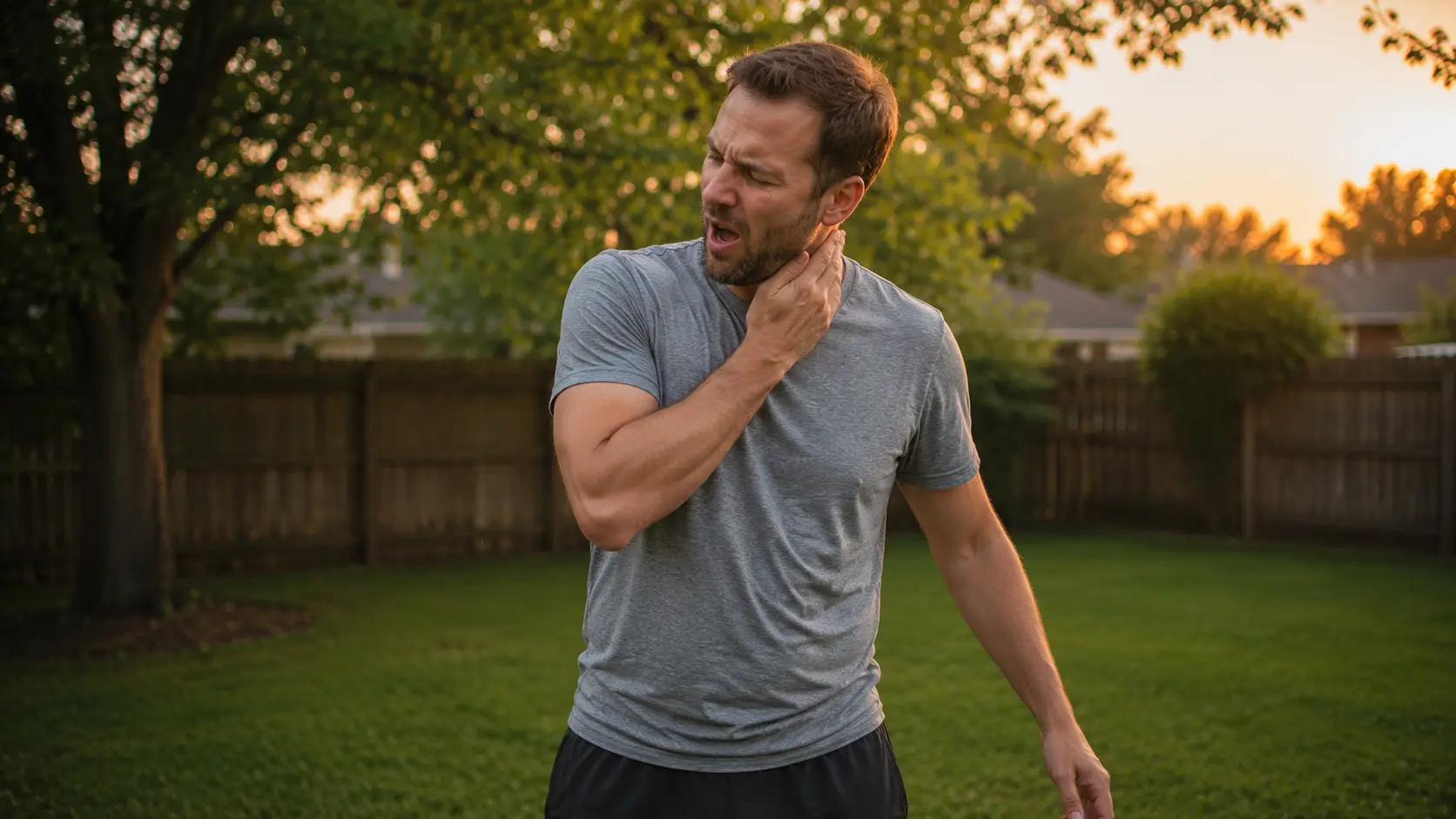
You already know the feeling of summer evenings if you're a resident of the College Station and Bryan area. You go outside in your yard wearing a t-shirt and shorts for five minutes and rush back covered in mosquito bites. It's not your fault, nobody feels like wearing full sleeve shirts and long trousers in the scorching hot summer of Texas.
BCS is known for being amongst the most mosquito-friendly environments in Texas. The conditions here assist mosquitoes to breed, thrive and multiply from late winter all the way through fall. Let's discuss the probable reasons why mosquitoes are prevalent in College Station & Bryan.
The Climate is Practically Designed for Mosquitoes
College Station is known for experiencing scorching hot and highly humid summers and slightly wet winters owing to its geographical location sitting in a humid subtropical climate zone. It’s not only annoying for humans but a comfortable abode for mosquitoes, which need three things to grow: warmth, humidity and stagnant water. The Brazos Valley area has all three of these elements in abundance for most of the year.
In most of the US, mosquito season is only a summer problem. In the College Station and Bryan area, it is practically a year-round concern. Temperate winters mean mosquito populations never fully perish and early spring warmth kicks off breeding cycles, way before most residents expect them.
Why BCS is Especially Bad, Even by Texas Standards
Texas as a whole has a mosquito problem, but Bryan and College Station face a combination of factors that push the problem to another level.
Rainfall
On average, College Station receives over 40 inches of rain per year with each spell resulting in temporary water pools, clogged gutters and low spots in yards. Mosquitoes do not need an extremely large body of water to breed. They can make do with a single bottle cap of standing water. A female mosquito can lay 50-500 eggs per brood and some species can produce a new generation in as little as 7 days in warm conditions. In College Station and Bryan, this math compounds fast.
Humidity
High humidity keeps mosquitoes alive and mobile far more than in a drier climate and in College Station it ranges between 67% and 79% throughout the year.
The Brazos River
The Brazos River also plays the role of accomplice in the large populations of mosquitoes. The tall grass and saturated soil around banks of the river make a comfortable place for mosquitoes to live and reproduce.
Mild Winters
In cold climates, a killing frost kills off most mosquitoes and disrupts egg viability. College Station rarely experiences winters this cold. The temperature rarely falls as low as 42°F, which is cold enough to slow mosquitoes down, but not cold enough to eliminate them.
The Health Risk
Mosquitoes can also put human lives at risk. In 204, mosquito samples collected by health officials tested positive for an incurable virus called West Nile, at the Texas Department of State Health Services Arbovirus Laboratory. Due to this, the entire Brazos County was declared positive for the virus. West Nile is the most common virus detected among people but the health officials also monitor for other fatal deadly viruses carried by mosquitoes. Zika is another mosquito-borne virus that’s been confirmed in Texas in the past. Apart from being dangerous to human health, mosquitoes can also pose a threat to pets spending time outdoors. They are known for transmitting heartworms to dogs.
Diseases Monitored by Brazos County Health District
- West Nile Virus
- St. Louis Encephalitis Virus
- Eastern Equine Encephalitis
- Zika Virus
- Heartworm in pets
Recommendations by Brazos County Health District
Empty standing water from anywhere near your home
Use EPA-registered insect repellents, picaridin, or oil of lemon-eucalyptus whenever spending time outside
Limit outdoor activity during peak mosquito hours, especially in summers
Wear long, loose and light colored clothing when going outside during peak mosquito hours
The Worst Mosquito Hotspots in Bryan-College Station
There are some spots in College Station and Bryan that are worse than the others. These include
Contact Brazos Pest Control for a Mosquito Free Yard
BBQs and family get-togethers in your yard without scratching your arms and neck every five seconds. Let’s make that happen.
The Bottom Line for Bryan-College Station Residents
There are huge populations of mosquitoes in Bryan and College Station because the city provides everything to the mosquitoes that they need to survive and thrive. From hot and humid climate conditions to the landscape type, everything helps mosquitoes to remain active throughout the year. DIYs can help to an extent but for homeowners who really want to enjoy their yards in the summer season, a seasonal treatment provided by professional pest control companies is the most reliable solution in the area.